
Healthy hooves are the foundation of a horse’s strength, balance, and performance. Whether used for riding, racing, or farm work, every horse depends on proper hoof maintenance. This is where farrier tools become essential, enabling professionals to deliver precise and reliable hoof care.
The Importance of Farrier Tools in Equine Care
Farriers use specialized tools to trim, shape, and maintain hooves. Since a horse’s hooves grow continuously, neglecting proper care can lead to discomfort, poor posture, and even lameness.
Farrier tools help ensure:
- Correct hoof balance and alignment
- Prevention of cracks and infections
- Proper horseshoe fitting
- Improved movement and stability
Without the right tools, achieving consistent and safe results becomes difficult.
Core Categories of Farrier Tools
Farrier tools can be grouped based on their function in the hoof care process:
Cutting Tools
These tools are used to remove excess hoof material and shape the hoof.
- Hoof nippers for trimming hoof walls
- Hoof knives for cleaning the frog and sole
Shaping Tools
After trimming, shaping tools refine the hoof structure.
- Rasps for smoothing and leveling
- Files for finishing touches
Shoeing Tools
These tools are used when applying or removing horseshoes.
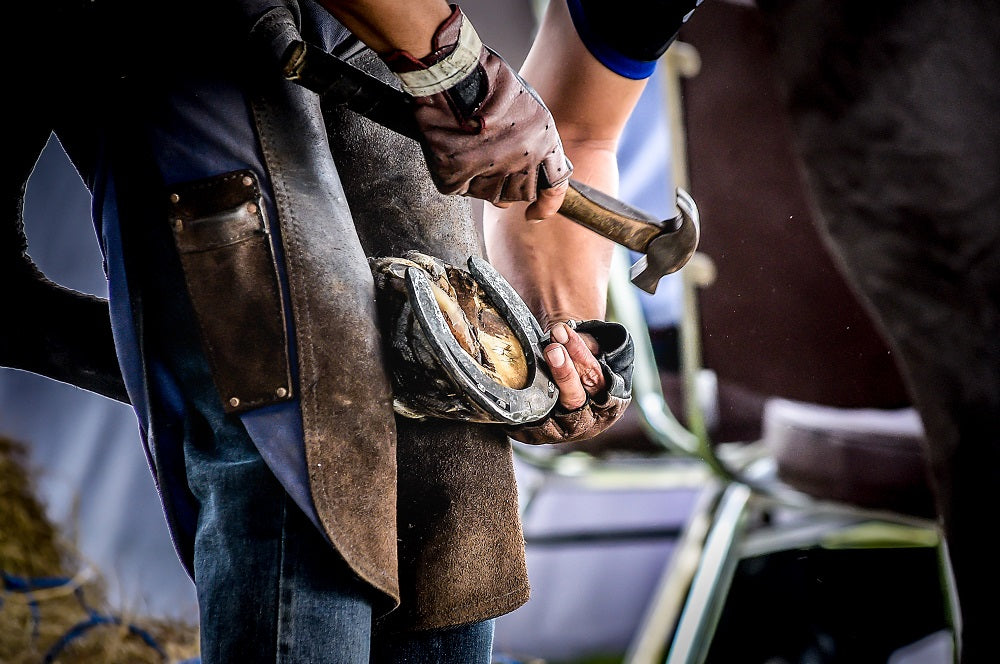
- Driving hammers for nailing shoes
- Pull-offs for shoe removal
- Clinchers for securing nails
Support Tools
Support tools improve efficiency and comfort during work.
- Hoof stands for stability
- Hoof gauges for measuring angles
How Farrier Tools Improve Efficiency
Modern farrier tools are designed with ergonomics and durability in mind. This allows professionals to work more efficiently while reducing physical strain.
Benefits include:
- Faster trimming and shoeing process
- Greater accuracy in hoof shaping
- Reduced fatigue during long sessions
- Better control and handling
Efficiency is especially important for farriers handling multiple horses daily.
Choosing the Right Farrier Tools
Selecting the right tools is crucial for achieving professional results. Farriers should consider:
- Build quality and material strength
- Comfortable grip and handling
- Tool sharpness and precision
- Suitability for different hoof conditions
Having a balanced toolkit ensures readiness for routine care as well as corrective procedures.
Common Mistakes to Avoid
Even with the right tools, improper usage can lead to issues. Some common mistakes include:
- Using dull tools, which can damage the hoof
- Applying excessive force during trimming
- Skipping regular maintenance of tools
- Ignoring proper hoof balance
Avoiding these mistakes helps maintain hoof health and ensures safer procedures.
The Role of Skill Alongside Tools
While farrier tools are essential, they must be paired with proper skill and knowledge. Understanding hoof anatomy, balance, and movement is key to effective farriery.
A skilled farrier knows:
- How much hoof material to remove
- How to balance the hoof correctly
- When corrective shoeing is required
- How to handle different hoof conditions
Tools enhance the work, but expertise ensures the best results.
Conclusion
Farrier tools are the backbone of professional hoof care, supporting both the health and performance of horses. From trimming and shaping to shoeing and maintenance, each tool plays a vital role in the overall process. By using high-quality tools and proper techniques, farriers can deliver safe, efficient, and effective care that keeps horses strong, comfortable, and ready for any task.